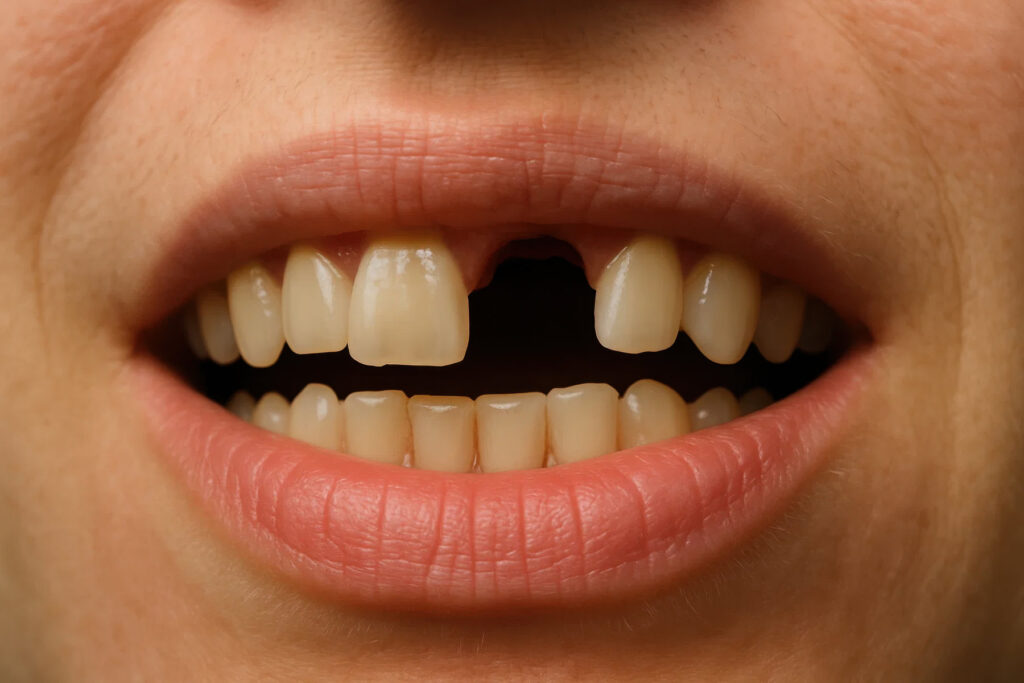
A missing tooth can feel like the end of a problem. The pain is gone, the troubled tooth is out, and it is tempting to move on. But that gap quietly begins changing your mouth the moment a tooth is gone, and the longer it goes unaddressed, the more complex and costly the path back to a healthy smile becomes. If you have been putting off replacing a missing tooth, understanding what is happening beneath the surface may be the most important thing you read today.
At Cedar Smiles Dental in Somerset, NJ, Dr. Kelvin Wong’s approach is built on listening first and recommending only what your oral health actually needs. As part of our restorative dentistry services, we take the time to assess your specific situation, explain every option honestly, and help you understand what is happening before any decision is made.
Your Jawbone Starts to Break Down Immediately
Every time you bite and chew, your tooth roots send stimulation down into the jawbone, signaling it to maintain its density and shape. When a tooth is missing, that signal disappears, and the bone in the area begins to resorb: the body gradually breaks it down and absorbs it back. This process begins within months of losing a tooth and accelerates over time.
As the bone recedes, the jaw in the gap area shrinks in both width and height. That bone loss can change the contours of your face, shift how your remaining teeth sit, and make missing tooth replacement considerably more involved down the road. In some cases, bone grafting becomes necessary before a dental implant can even be placed, adding time and cost to what could have been a much simpler process. Acting early keeps your options open and your treatment plan straightforward.
Neighboring Teeth Begin to Shift
Teeth depend on each other for positional support. When a gap opens, the teeth on either side begin to drift toward the empty space. The opposing tooth above or below may also begin to over-erupt, continuing to grow without anything to stop it. This movement affects far more than aesthetics.
Shifting changes your bite, which can cause uneven wear across your remaining teeth, increased sensitivity, and stress on the jaw joint. What starts as a single gap can, over time, create alignment issues affecting several other teeth. Many patients are frustrated to discover that a problem they thought was isolated has expanded into something far more involved. Early intervention is almost always simpler and less expensive than addressing these complications after shifting has already occurred.
Daily Function and Confidence Are Both Affected
Even one missing tooth changes how you chew. Most people unconsciously avoid using the side of the mouth with the gap, placing more load on the remaining teeth. That uneven pressure accelerates wear on teeth not designed to carry the full burden alone.
Speech may also be affected, particularly when a tooth near the front of the mouth is gone. Certain sounds depend on the tongue’s positioning against the teeth, and without that reference point, subtle changes in pronunciation can develop. Beyond function, many patients feel self-conscious about visible gaps, which affects confidence in everyday conversations, at work, and in photos. Our cosmetic dentistry options work alongside restorative solutions to make sure results look and feel completely natural.
Overall Oral Health Continues to Decline Over Time
A gap is harder to keep clean than a mouth with a full set of teeth. Food collects in the space, and the surrounding gum tissue becomes more vulnerable to bacterial buildup. This increases the risk of gum disease and decay in adjacent teeth, compounding the original problem. Staying consistent with preventive care is important, but it cannot substitute for what missing tooth replacement provides.
According to the CDC, severe tooth loss directly impacts the ability to eat meats, fruits, and vegetables. One missing tooth, left unaddressed for years, can contribute to a much larger pattern of cumulative loss.
Replacement Options and Why Implants Often Lead the Way
For most patients, dental implants are the strongest long-term investment in their oral health. Unlike other options, implants replace the root itself, which is what stops bone loss, prevents neighboring teeth from shifting, and preserves the structural integrity of your jaw. They function like natural teeth and, with proper care, may last a lifetime. When patients are candidates for implants, we generally recommend them first because they address the underlying problem rather than just filling the visible gap.
Every patient’s situation is different, and Dr. Wong will never recommend a path that does not genuinely fit your health, timeline, and circumstances. Here is a straightforward look at the options available:
- Dental implants: The most complete long-term solution, preserving bone, preventing shifting, and restoring full function with an outcome indistinguishable from a natural tooth.
- Dental bridges: A non-surgical alternative anchored to neighboring teeth, a strong option for patients who are not implant candidates or who prefer a faster solution.
- Partial dentures: A removable option offering flexibility for patients with multiple missing teeth at a lower upfront cost.
If dental implant candidacy is a question, we will assess your bone health and overall oral condition before making any recommendation. Financing options are available to make the right choice more accessible, regardless of which path fits you best.
How soon does bone loss start after losing a tooth?
Bone resorption begins within the first few months of a tooth being lost. The most rapid changes typically occur in the first year, though bone loss continues at a slower rate over time if the gap remains unfilled. The width of the bone at the extraction site can decrease by 25% within the first year. This is one of the primary reasons dentists recommend moving forward with replacement planning sooner rather than later: the more bone that is preserved, the simpler and more successful the replacement process tends to be.
Can a dental bridge prevent bone loss the same way an implant can?
No. A dental bridge spans the gap by anchoring to the neighboring teeth and supports a false tooth in between, but it does not replace the root beneath the gum. Without a root, the jawbone in that area still lacks the stimulation it needs to maintain its density, and resorption continues beneath the bridge over time. Implants are the only tooth replacement option that includes a root substitute, which is what stops bone loss from occurring at the site. For patients concerned about long-term bone health, this is the most significant distinction between the two options.
What if I have already waited years before seeking replacement?
It is never too late to address a missing tooth, though the process may be more involved if significant bone loss has occurred. Many patients who delayed treatment for years are still able to receive dental implants after bone grafting restores adequate volume at the site. A thorough evaluation will show exactly how much bone remains and what, if any, preparatory work would be needed. Dr. Wong will give you an honest assessment of your options based on your current bone health and overall oral condition, not based on how long you waited.
Is it normal to avoid chewing on the side with a missing tooth?
Yes, and it happens almost automatically for most people. The problem is that the uneven chewing pattern places significantly more load on the teeth on the other side of the mouth, accelerating wear on those teeth over time. Patients who have lived with a gap for years sometimes discover that their chewing-side teeth have worn down noticeably by the time they seek treatment, adding to the overall scope of restoration needed. Replacing the missing tooth restores balanced bite forces and protects the remaining teeth from bearing a disproportionate share of the work.
Schedule a Consultation at Cedar Smiles Dental
Whether you lost a tooth recently or have been living with a gap for years, the sooner you get a clear picture of where things stand, the more straightforward your options tend to be. Waiting only narrows those options. Dr. Kelvin Wong takes a conservative, patient-first approach: he will listen carefully, assess thoroughly, and recommend only what your long-term oral health actually calls for.
Reach out to our team in Somerset, NJ through our contact form to schedule a consultation. We are here to help you make a confident, informed decision at whatever pace feels right for you.


