
Brighten your smile
with precise, personalized white spot removal.Chalky white patches do not fade on their own. Whether yours appeared after orthodontic treatment or have been part of your smile since childhood, they are a sign that something shifted in the way your enamel formed or mineralized. That does not mean you are stuck with them. Today, cosmetic dentistry offers targeted treatments that address white spots at the source, evening out your smile’s tone and texture while leaving the surrounding tooth structure completely intact.
At Cedar Smiles Dental, Dr. Kelvin Wong helps patients throughout Somerset, NJ, reclaim a smile they feel proud to show. As a private, patient-centered practice, we approach cosmetic dentistry with a real conversation about your goals, a thorough evaluation of your enamel, and honest recommendations with no pressure. Dr. Wong takes the time to understand exactly what is happening beneath the surface, so any treatment he recommends fits your smile and your goals.

White spots form when minerals are lost from the outermost layer of enamel, a process known as demineralization. Understanding the root cause matters because it directly influences which treatment approach will deliver the best result.
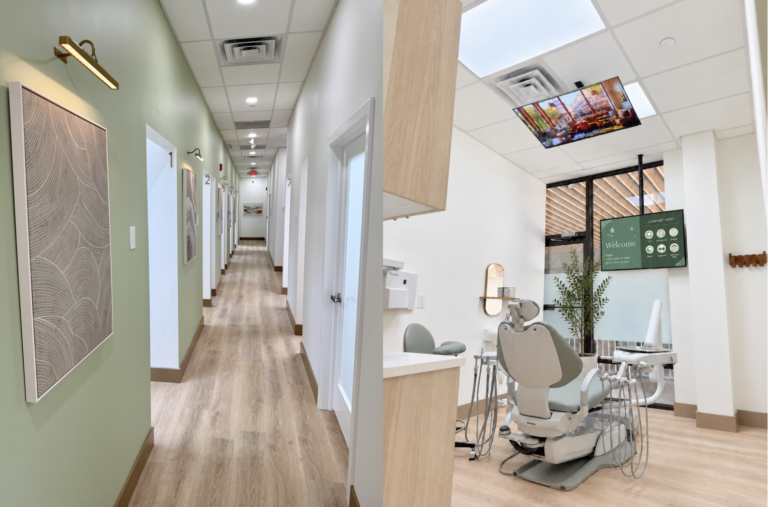
The right treatment depends on the severity of the discoloration and what caused it in the first place. During your consultation, Dr. Wong evaluates the condition of your enamel carefully and walks you through your options so you can make an informed decision that fits your goals and timeline.
We offer several effective approaches for white spot removal, and each one is chosen based on what will preserve the most natural tooth structure while delivering the most noticeable improvement. The treatments we use include the following:
Each of these options is performed with care and precision, and many patients can complete their treatment in a single visit.
Your appointment begins with a comprehensive exam and a thorough conversation about what you are hoping to achieve. Dr. Wong uses advanced imaging technology to evaluate the extent of demineralization and pinpoint the most effective course of action. We take our time at each visit because we believe you deserve a clear picture of your treatment before anything begins.
Once your treatment is finished, we discuss how to protect your results going forward. If your white spots point to a more complex underlying concern, Dr. Wong works with you to develop a plan that addresses the full picture of your oral health, not just the cosmetic layer.
Dr. Kelvin Wong founded Cedar Smiles Dental on the belief that patients deserve genuine, individualized attention rather than rushed appointments and generic recommendations. As a private practice, we have the freedom to focus entirely on your comfort and goals without the pressures of a corporate environment. Whether you are exploring cosmetic options for the first time or have been bothered by white spots for years, our team approaches every case with the same level of care and thoroughness.
If white spots have been holding your smile back, Cedar Smiles Dental is ready to help. We offer flexible financing options to make your care accessible, and our team is here to answer any questions you have along the way. To schedule your consultation, reach out to us and take the first step toward a smile that looks and feels like you.
Not usually. Most white spots respond well to treatment once we identify what caused them. Depending on whether they come from demineralization, fluorosis, or surface enamel changes, options like remineralization therapy, resin infiltration, microabrasion, or bonding can reduce or eliminate their appearance while keeping your natural tooth structure intact.
Most white spot treatments are comfortable and minimally invasive. Techniques like remineralization and resin infiltration involve little to no discomfort, and microabrasion removes only a very thin surface layer of enamel. Dr. Wong walks you through what to expect before your treatment begins, so there are no surprises in the chair.
Many white spot treatments can be completed in a single visit, especially resin infiltration and bonding. Remineralization therapy may take place over a few appointments as the enamel strengthens. During your consultation, Dr. Wong gives you a clear timeline based on the severity of the spots and the approach that fits your smile.
During orthodontic treatment, plaque can build up in the small spaces around brackets that are hard to keep clean. The acids from that plaque pull minerals out of the enamel, and once the braces come off, those weakened areas often show up as white marks. The good news is that post-orthodontic white spots are very treatable.
In many cases, yes. Consistent brushing and flossing, limiting frequent acidic foods and drinks, and keeping up with regular preventive dentistry visits all help protect your enamel from the mineral loss that leads to white spots. For patients in orthodontic treatment, extra attention to cleaning around brackets makes a real difference.
Once white spots are treated, keeping them from returning comes down to protecting your enamel. We help you build habits that support long-term results, including brushing technique, dietary guidance, and a schedule for routine care. If your white spots point to an underlying concern, Dr. Wong works with you on a plan that addresses the full picture, not just the surface.
Convenient Care in Somerset