
Medically Reviewed by Dr. Kelvin Wong, DDS on September 23, 2026
If you have been told you need to address your gums before moving forward with a dental implant, you are not alone, and you are not out of options. Periodontal health is one of the most overlooked factors in implant candidacy, and patients are often surprised to learn it carries as much weight as bone density or overall health history. The encouraging part: gum issues do not have to permanently stand in the way of the treatment you want.
At Cedar Smiles Dental in Somerset, NJ, Dr. Kelvin Wong evaluates every implant candidate with the full picture in mind. As part of our restorative dentistry approach, we never rush patients into treatment before conditions are right, and we never overlook the foundational health factors that determine whether an implant will succeed long-term. Understanding where your gum health stands is always the first step.
Why Dentists Check Your Gums Before Placing an Implant
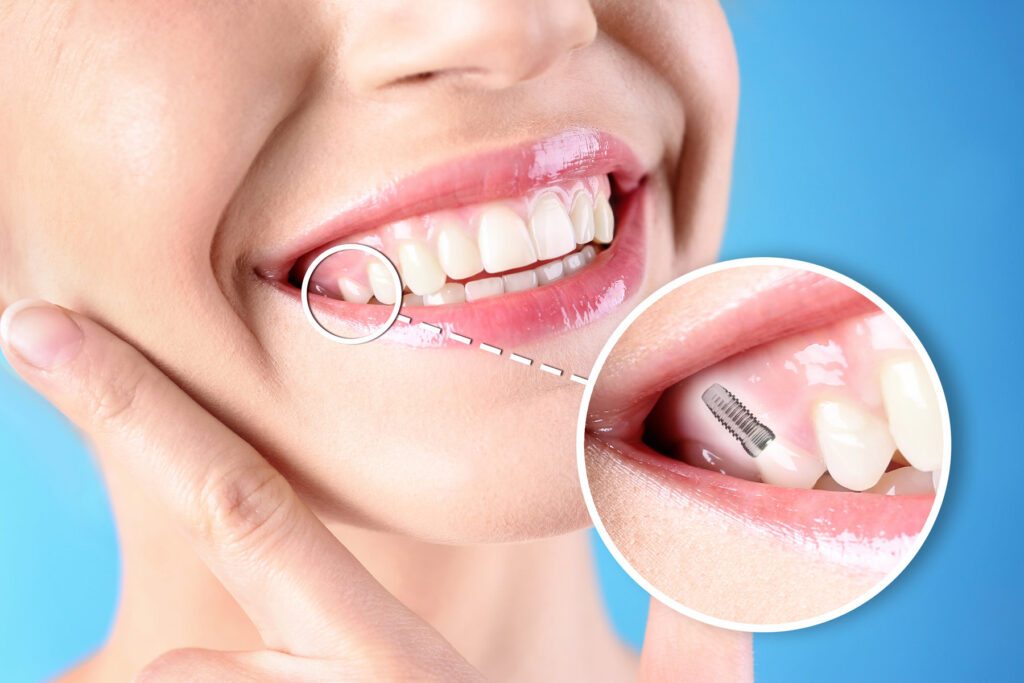
A dental implant is anchored directly into the jawbone and surrounded by gum tissue that must stay healthy for the implant to remain stable. When gum disease is present, the bacteria responsible for it do not stop at natural teeth. They can travel along the gum line and attack the tissue and bone around an implant the same way, a condition called peri-implantitis. Left unaddressed, peri-implantitis can cause bone loss around the implant and eventually lead to failure.
This is why active gum disease is considered a contraindication for implant placement. According to the American Dental Association, chronic periodontitis affects nearly half of adults over 30 in the United States, and many carry it without obvious symptoms until it has already progressed. A thorough periodontal evaluation before any implant consultation is not a formality. It is the step that protects your investment and sets the stage for lasting results.
Gingivitis vs. Periodontitis: What the Difference Means for Implants
Knowing which stage of gum disease you are dealing with matters significantly when it comes to implant planning. Gingivitis is the earliest stage, marked by inflammation, redness, and bleeding along the gum line. It is reversible with professional cleaning and consistent home care, and for most patients, it can be addressed before moving forward with implant planning.
Periodontitis is more advanced, involving damage to the bone and connective tissue supporting the teeth. It cannot be reversed, only managed. For implant purposes, active periodontitis requires more involved care and careful monitoring before placement is appropriate. The distinction matters because the treatment timeline, the complexity of the implant planning process, and the likelihood of long-term success all differ depending on where a patient falls on that spectrum.
Can You Still Get an Implant If You Have Gum Disease?
Having gum disease does not automatically disqualify you from getting a dental implant. What it does mean is that gum disease must be treated and stabilized first. Placing an implant into a mouth with active infection puts the implant at immediate risk, and no amount of surgical skill can compensate for an unhealthy foundation. Once the infection is under control and the tissue has had time to heal, a reassessment can determine whether implant placement is the right next step.
For many patients, discovering gum disease during an implant consultation feels discouraging. It should not. Catching it at this stage means you have the opportunity to address it properly before it causes further harm. Factors that influence candidacy when gum disease is part of the picture include the following:
- Severity and stage of periodontal disease: More advanced stages require more time and treatment before implant placement can be considered.
- Bone loss at the implant site: Prior gum disease may have reduced available bone, which can be addressed with grafting in many cases.
- Active vs. managed disease: Gum disease that is fully treated and stable presents a very different picture than an active infection.
- Oral hygiene habits: Long-term implant success depends heavily on the patient’s commitment to preventive care going forward.
Each case is different, and a blanket answer rarely applies. Dr. Wong reviews the full clinical picture before making any recommendations and will walk you through exactly where you stand and what the path forward looks like.
How to Strengthen Your Candidacy Before Your Consultation
If gum disease is a concern, addressing it early gives you the strongest foundation for implant success. Consistent professional cleanings, treating any existing infection, and maintaining solid home care habits all improve the environment in which an implant will eventually be placed. Bone grafting may also be an option if prior gum disease has resulted in bone loss at the intended site.
The goal is not to delay treatment unnecessarily. It is to make sure the implant is built to last. Rushing placement without resolving underlying periodontal issues is a leading cause of implant complications, and it is a shortcut we do not take at Cedar Smiles Dental. To explore the full range of preparatory and restorative options available to you, visit our services page. If cost is a factor as you weigh your options, financing is available to help make care more accessible.
How long does gum disease treatment take before I can get an implant?
The timeline depends on the severity of the periodontal disease and how your gum tissue responds to treatment. Gingivitis can often be resolved within a few weeks of professional cleaning and improved home care. Periodontitis typically requires scaling and root planing, sometimes multiple sessions, followed by a healing period of several months before the implant site can be properly assessed. The goal is to arrive at implant placement with stable, healthy tissue, so the timing is driven by your biology rather than an arbitrary schedule.
What is peri-implantitis, and how do I prevent it?
Peri-implantitis is an infection of the tissue and bone surrounding a dental implant, analogous to gum disease around a natural tooth. It is caused by bacteria accumulating at the implant site and is more likely to occur when underlying gum disease was present before placement or when oral hygiene lapses after the implant is placed. Prevention involves treating any existing gum disease before surgery, maintaining a consistent oral hygiene routine, and keeping up with professional cleanings. Implants do not decay, but they are not immune to the same bacterial infections that affect natural teeth.
Does having bone loss from gum disease mean I cannot get an implant?
Not necessarily. Bone loss is a common consequence of periodontitis, but in many cases it can be addressed before implant placement through bone grafting. A graft rebuilds the volume and density of bone at the site so it can support an implant successfully. Whether grafting is appropriate depends on how much bone remains, where the implant will be placed, and your overall health. Dr. Wong assesses bone health as part of every implant evaluation and will tell you clearly whether grafting is a realistic option for your situation.
Will insurance cover gum disease treatment before an implant?
Many dental insurance plans cover at least a portion of periodontal treatment such as scaling and root planing, though coverage varies significantly depending on the plan and the severity of the diagnosis. Implants themselves are often not covered by dental insurance, but financing options through CareCredit and Cherry can make the overall cost of care more manageable. We are happy to help you understand your coverage before any treatment begins so there are no surprises.
Schedule an Implant Consultation at Cedar Smiles Dental
Whether you are ready to move forward or still working through questions about your gum health, the best thing you can do is get a clear, honest picture of where things stand. The earlier you address periodontal concerns, the more straightforward your path to an implant tends to be. Dr. Kelvin Wong brings fellowship-level implant training and a patient-first philosophy to every evaluation and will never push treatment forward before the conditions are right for lasting success.
Reach out to our team in Somerset, NJ through our contact form to schedule a consultation. We will evaluate your gum health, discuss your implant goals, and map out a plan built around what your smile actually needs.
ABOUT THE AUTHOR
Dr. Kelvin Wong, DDS
Dentist at Cedar Smiles Dental, Somerset, NJ
Dr. Kelvin Wong earned his Doctor of Dental Surgery degree from NYU College of Dentistry and is a Fellow of the International Congress of Oral Implantologists (ICOI). He completed advanced training at the Kois Center and brings scientific expertise and compassionate care to his private practice in Somerset, NJ.


