
Every day a missing tooth stays unaddressed, the bone underneath it is quietly changing shape. That is often the part patients notice least and regret most, since a gap in your smile is rarely just cosmetic once chewing, speech, and jaw structure start to shift with it.
Cedar Smiles Dental serves Bridgewater and the surrounding Somerset County area from our Somerset, NJ office, where Dr. Kelvin Wong personally oversees each implant case from consultation through final restoration. His fellowship-level implant training and conservative approach to treatment planning mean every recommendation is built around what your mouth actually needs.

Placing an implant starts with a titanium post set into the jawbone, standing in for the root of the tooth you lost. Over the following months, that post fuses with the surrounding bone in a process called osseointegration, creating a foundation stable enough to support real chewing force. Once healing is confirmed, a custom crown is attached, finishing a restoration built to blend in rather than stand out.
Bone needs regular pressure to stay dense, and that pressure normally comes from the root of a tooth. Because an implant post sits in the bone the way a natural root did, it helps preserve that density, protecting your jaw structure and the surrounding teeth from the long-term effects of bone loss.
A 2024 meta-analysis published in Clinical Oral Investigations tracked rough-surfaced titanium implants over a 20-year period. The prospective data showed a 92% survival rate, while the retrospective data showed 88%.
Not every patient needs the same kind of implant-supported restoration, and Dr. Wong tailors the approach to how many teeth need replacing. A single implant with a custom crown replaces one missing tooth without touching the teeth next to it. For three or more adjacent missing teeth, an implant-supported bridge anchors a multi-tooth restoration on as few as two implants. Patients missing most or all of their teeth in an arch may be better suited to implant-supported or implant-retained dentures, which snap securely into place and eliminate the slipping and adhesives that come with traditional dentures.
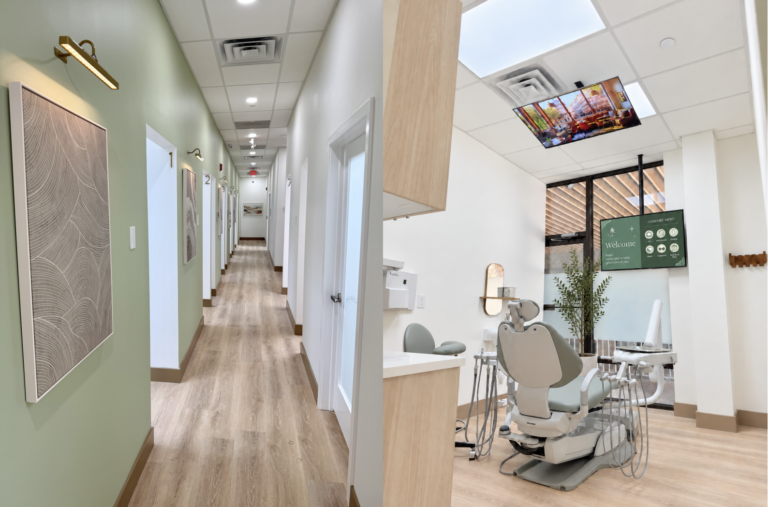
A consultation at Cedar Smiles will look at several things before any treatment plan is proposed:
Patients who are not immediate candidates are never simply turned away. Dr. Wong will lay out other paths forward, whether that means preparatory treatment or an alternative restoration.
Bridgewater patients frequently mention how much direct time they get with Dr. Wong compared to their experience elsewhere. As a private practice, Cedar Smiles was built around the idea that treatment decisions should be shaped by what a patient’s mouth actually needs. See how that philosophy carries through everything Dr. Wong does.
Financing is also part of that same philosophy. Flexible payment options are available so cost does not become the reason someone puts off restoring a missing tooth.
Most cases take a few months from placement to final crown, since the post needs time to fuse with the jawbone before the permanent restoration is attached. Dr. Wong will give you a specific timeline based on your imaging and healing progress.
The placement procedure is done under local anesthesia, so patients typically feel pressure rather than pain. Mild soreness for a few days afterward is normal and manageable with over-the-counter pain relief.
A traditional bridge relies on your natural teeth on either side of the gap for support, which means those teeth have to be reshaped. An implant-supported bridge anchors to implants instead, so neighboring healthy teeth are left untouched.
Coverage varies by plan, and many provide at least partial coverage for implant treatment. Our team is happy to review your specific benefits and walk through financing options before treatment begins.
Convenient Care in Somerset